
22.1.2026
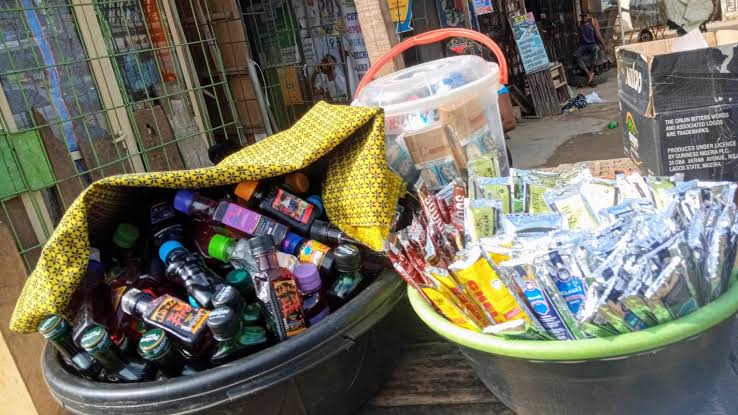
The National Agency for Food and Drug Administration and Control says it has begun enforcement of the ban on the production and sale of alcohol in sachets and PET bottles below 200ml.
NAFDAC director-general Mojisola Adeyeye disclosed this at a media parley, organised by the agency, in Lagos.
NAFDAC announced on November 11, 2025, that it would enforce a total ban on the production and sale of items by December 2025, in line with the Senate’s directive.
However, the proposed enforcement was halted after the federal government called for the immediate suspension of all actions and measures related to the proposed ban, pending the outcome of consultations and final directive.
Ms Adeyeye said the agency had received a matching order from the Senate to enforce the ban. She said that the agency made the decision to safeguard public health and protect the vulnerable population, particularly children, adolescents, and young adults, from the harmful use of alcohol.
Ms Adeyeye noted that the proliferation of high-alcohol-content beverages in sachets and small containers had made these products easily accessible, affordable, and concealable.
“We already started the enforcement to ban alcohol production in sachets and bottles below 200ml, after we received an order from the senate to proceed. NAFDAC is not against alcohol, but we are against its proliferation of high alcohol content in sachets and small bottles, to prevent children from having easy access to it,” she said.
She noted that prior to her position as NAFDAC boss, sachet alcohol had a 50 to 90 per cent concentration of alcohol, describing it as extremely high.
“We asked the manufacturers to reduce the content to 30 per cent, and they went directly to the ministry to express their displeasure, citing loss of jobs and investment. The then-minister of health gave them a five-year period between December 2018 and January 31, 2024, to put their business in place,” she said.
Ms Adeyeye consequently reaffirmed the agency’s commitment to safeguarding the nation’s health, especially the safety of vulnerable groups such as children, through its regulatory activities. NAN