
11.2.2026
Industry professionals, business owners, philanthropist, techpreneurs, fiduciaries, and globally mobile Nigerians convened virtually for Wealth Webinar 7.0, a timely and insightful session focused on Nigeria’s evolving fiscal and regulatory landscape, themed around transparency, compliance, and practical tax planning under the new tax regime.
The webinar theme “The Era of Transparency: Navigating Nigeria’s New Tax and Regulatory Landscape.”came at a pivotal moment in Nigeria’s tax journey, as recent tax reforms redefine how income is identified, assessed, and taxed across individuals, businesses, and families. Participants were guided beyond the letter of the law into the real-world implications of the reforms, with emphasis on planning, risk management, and sustainable structuring.
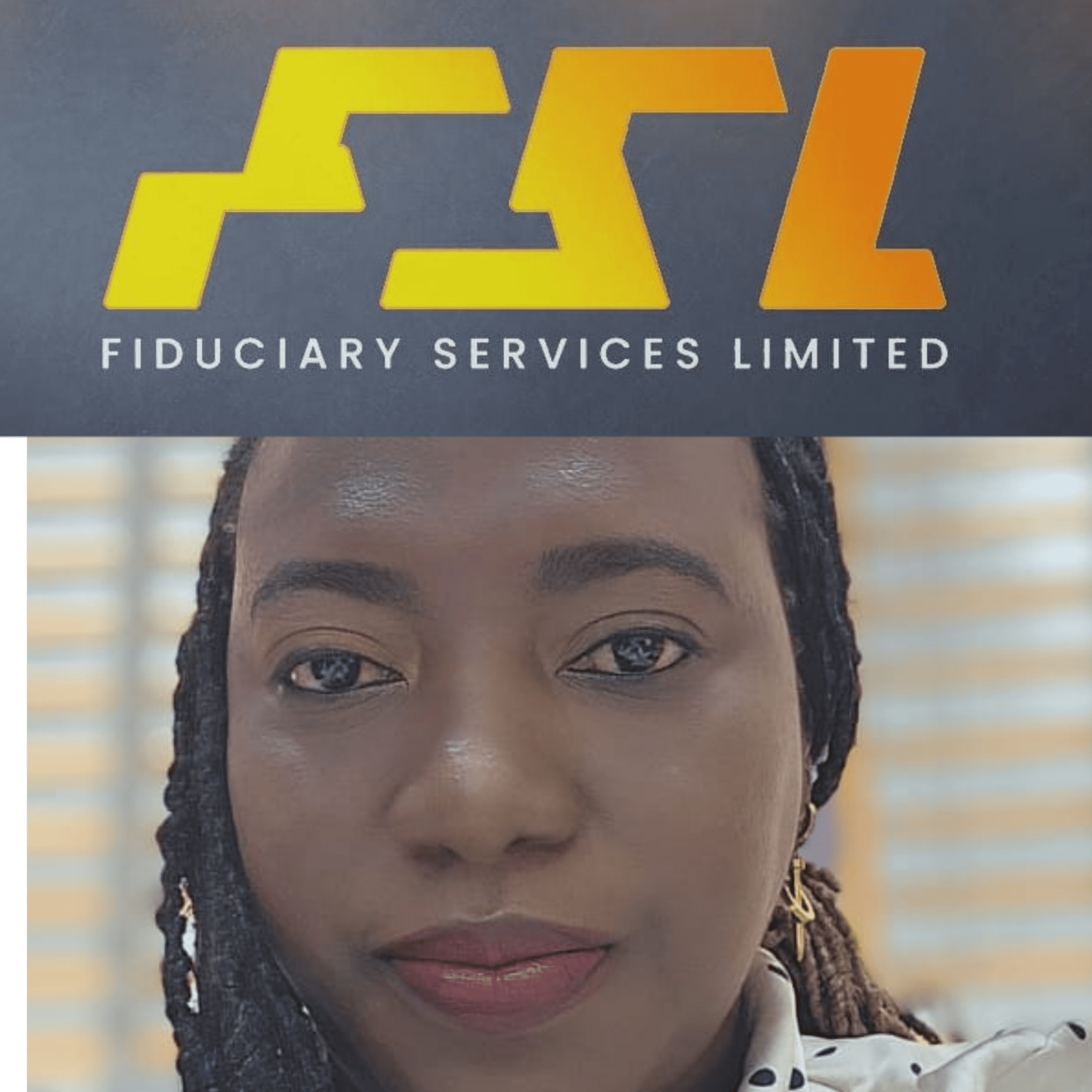
The session was organised by Fiduciary Services Limited (FSL), a firm of world-class professionals providing contemporary, bespoke, and holistic private client services to affluent and high-net-worth individuals (HNWIs).
The objective of the webinar was to provide clarity and practical insight into the realities of Nigeria’s new tax regime, moving beyond technical provisions to examine how individuals and businesses can respond strategically. The Conversations centred on worldwide income rules, residency and global mobility, capital gains taxation, asset structuring, and the growing intersection between tax compliance, estate planning, and governance.
Opening the session, the host, Mrs Mercy Edukugho-Aminah, CEO of Fiduciary Services Limited, emphasised that transparency is no longer a theoretical concept but a legal and commercial reality. She urged participants to see the reforms not merely as compliance obligations, but as an opportunity to plan better, structure assets more intentionally, and align Nigerian wealth practices with global standards.
The panel featured seasoned experts with deep experience across taxation, regulation, and advisory services. Dr. Paulinus Iyika, PhD, ADIT (UK), an Assistant Director at the Nigerian Revenue Service, provided critical insights into the philosophy behind the reforms, highlighting the government’s focus on harmonisation, simplification, and fairness. He explained that modern tax administration now relies heavily on technology, third-party data, and international cooperation, significantly reducing the effectiveness of opaque structures.
Mr. Aina Joseph Tunji (FCA), Managing Partner at Tunji Aina & Co. (Chartered Accountants), addressed practical concerns around capital gains tax, enforcement powers, and compliance anxiety. He clarified that while the tax net is expanding, enforcement follows due process and is supported by assessment, notification, and engagement. He also stressed the importance of proper documentation, professional advice, and intentional structuring, particularly for high-net-worth individuals and business owners.
A key focus of the discussion was the impact of worldwide income rules and residency on globally mobile Nigerians. The panel explained that tax exposure is increasingly determined by substance rather than form, with habitual residence, economic ties, and asset location playing a critical role. Participants were advised that managing tax exposure now requires holistic planning that aligns lifestyle, business operations, and residency status.
Both speakers emphasised that the reforms are intended to simplify compliance, reduce fragmentation across tax obligations, and broaden the tax base rather than impose arbitrary increases. The harmonisation of multiple levies, increased exemption thresholds for small businesses, and clearer rules around residency and taxable income were highlighted as notable developments.
The webinar also addressed public concerns around enforcement, clarifying that tax administration remains grounded in due process, including self-assessment, notification, and established legal procedures. Participants were advised that transparency, documentation, and timely compliance significantly reduce regulatory risk.
The session also explored the implications of the new tax regime for estate planning and succession. The panel highlighted that asset ownership structures, use of corporate vehicles, and early planning are now essential not only for tax efficiency but also for preserving wealth, reducing disputes, and ensuring smooth intergenerational transfer.
Wealth Webinar 7.0 concluded with an interactive question-and-answer session, during which participants raised concerns around bank account enforcement, offshore assets, citizenship, and compliance risks. The panel consistently reinforced the message that proactive planning, transparency, and engagement with professional advisers remain the most effective tools for navigating the new environment.