

By our reporter 12.2.2026
The US Congress’ labelling of former Kano State governor Rabiu Kwankwanso as the mastermind in the introduction of Sharia Law in Nigeria has been rejected by the Kwankwasiyya Movement.
Mr. Kwankwaso was named in a list of individuals and groups responsible for an alleged “severe religious freedom violations” in Nigeria.
A bill “Nigeria Religious Freedom and Accountability Act 2026 (HR 7457)” sponsored by Rep Riley Moore targeting the individuals and groups was presented to the US Congress on Tuesday. If passed there would be visa ban and seizure of property sanctions on those on the blacklist.
“We state unequivocally that these allegations are consistent with nothing in the verifiable public record of Senator Kwankwaso’s life and service,” said Kwankwasiyya Movement spokesperson Habibu Sale Mohammed.
The movement specifically addressed claims made by US Rep. Riley Moore, one of the bill’s sponsors, who reportedly linked Kwankwaso to religious extremism due to the implementation of Sharia law during his tenure as governor. Defending the record, the group argued that Sharia-based legal systems in Northern Nigeria were constitutional developments not unique to Kano.
“The constitutional development of Sharia-based legal systems… was neither unique to Kano State nor the initiative of one individual,” the statement read. “To single out Senator Kwankwaso while similar constitutional arrangements exist in several states raises serious questions about the evidentiary standard behind such a recommendation.”
Kwankwaso, a former Deputy Speaker of the House of Representatives, two-term Governor of Kano State, Minister of Defence, and Senator, has “never been indicted, prosecuted, or credibly accused of religious persecution, extremism, or human rights violations,” the group said.
The movement argued that the development of Sharia-based legal systems in parts of northern Nigeria was carried out within constitutional provisions and was not the initiative of any single individual.
“The constitutional development of Sharia-based legal systems in certain northern Nigerian states was neither unique to Kano State nor the initiative of one individual,” the statement said. “These systems remain subject to constitutional oversight and appellate review.”
It added that singling out Kwankwaso while similar constitutional arrangements exist in several states “raises serious questions about the basis, consistency, and evidentiary standard behind such a recommendation.”
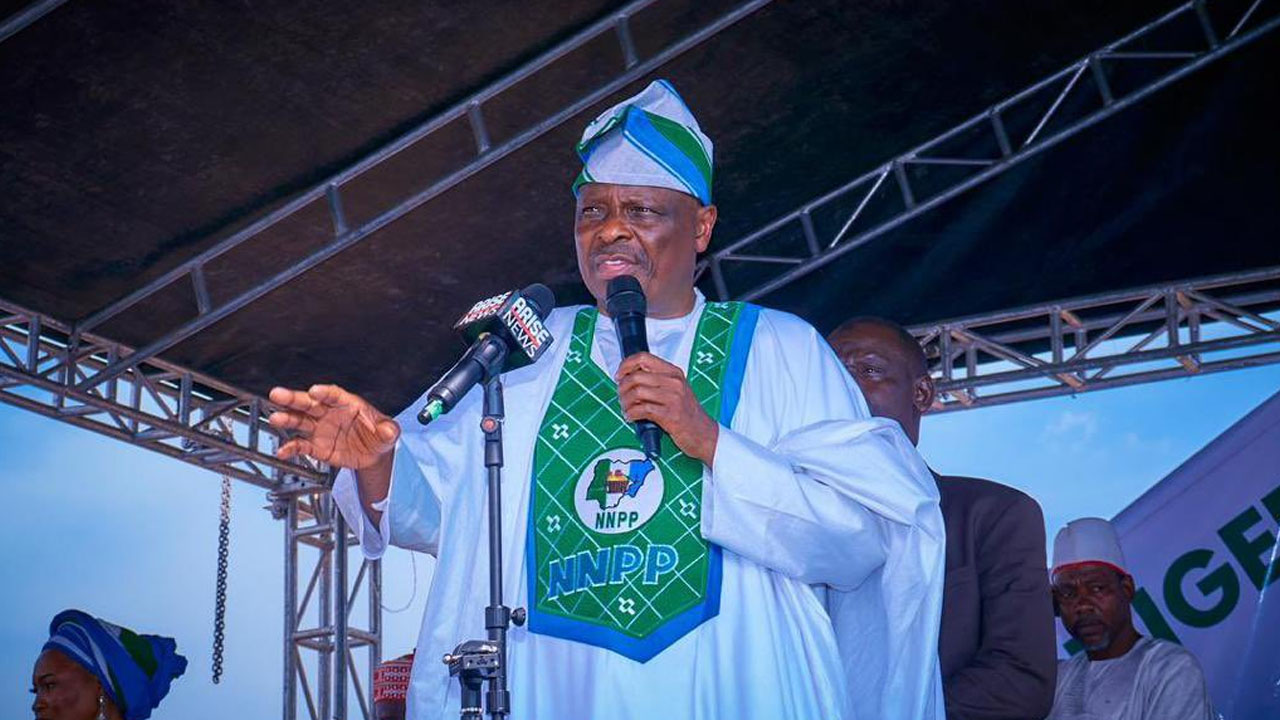 Rabiu-Kwankwaso...wondering