

30-5-2025
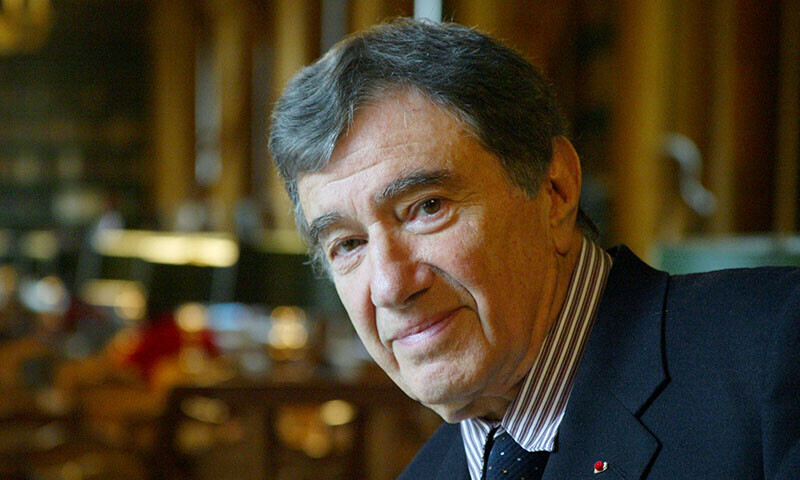
French scientist Etienne-Emile Baulieu, the inventor of the abortion pill, died at the age of 98 at his home in Paris on Friday.
The doctor and researcher, who achieved worldwide renown for his work that led to the pill, had an eventful life that included fighting in the French resistance and becoming friends with artists such as Andy Warhol.
“His research was guided by his commitment to the progress made possible by science, his dedication to women’s freedom, and his desire to enable everyone to live better, longer lives,” Baulieu’s wife Simone Harari Baulieu said in a statement.
Baulieu’s most famous discovery helped create the oral drug RU-486, also known as mifepristone, which provided a safe and inexpensive alternative to surgical abortion to millions of women across the world.
For decades, he pushed governments to authorise the drug, facing fierce criticism and sometimes threats from opponents of abortion.
When Wyoming became the first US state to outlaw the abortion pill in 2023, Baulieu told AFP it was “scandalous”.
Then aged 96, Baulieu said he had dedicated a large part of his life to “increasing the freedom of women,” and such bans were a step in the wrong direction.
On news of his death, French Equality Minister Aurore Berge passed on her condolences to Baulieu’s family, saying on X he was “guided throughout his life by one requirement: human dignity.”
Born on December 12, 1926 in Strasbourg to Jewish parents, Etienne Blum was raised by his feminist mother after his father, a doctor, died.
He changed his name to Emile Baulieu when he joined the French resistance against Nazi occupation at the age of 15, then later adding Etienne.
After the war, he became a self-described “doctor who does science,” specialising in the field of steroid hormones.
Invited to work in the United States, Baulieu was noticed in 1961 by Gregory Pincus, known as the father of the contraceptive pill, who convinced him to focus on sex hormones.
Back in France, Baulieu designed a way to block the effect of the hormone progesterone, which is essential for the egg to implant in the uterus after fertilisation.
This led to the development of mifepristone in 1982.
Dragged before the courts and demonised by US anti-abortion groups who accused him of inventing a “death pill”, Baulieu refused to back down. AFP