

15.1.2026
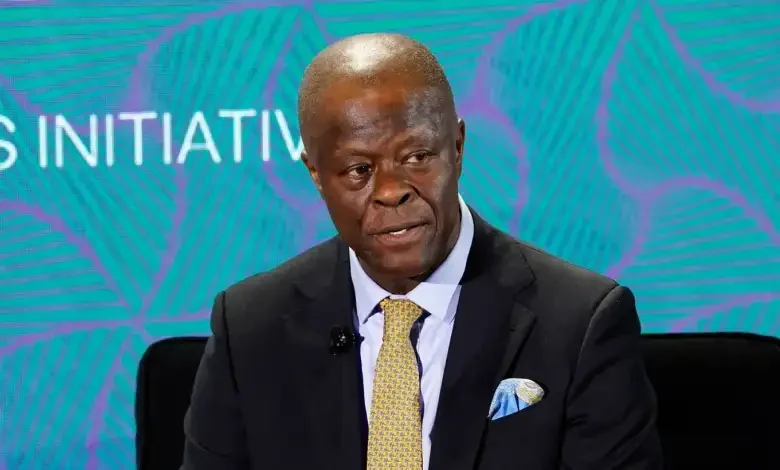
Finance Minister Wale Edun has assured Nigerians of low interest loans as inflation continues to ease in the country.
Mr. Edun who is also the Coordinating Minister of the Economy, said low interest loans will reduce borrowing costs for households and businesses while giving the government fiscal breathing room to manage its debt.
“Lower interest rates will free up revenue currently spent on servicing debt and improve the fiscal balance,” Edun told Bloomberg on the sidelines of the Abu Dhabi Sustainability Week,
Edun also praised the Central Bank of Nigeria (CBN) for what he described as “excellent” progress in curbing inflation, attributing recent improvements to aggressive monetary tightening over the past two years. The CBN had more than doubled its policy rate from 2022 levels before implementing a 50 basis-point cut in September 2025, bringing the policy rate to 27%.
The announcement comes as Nigeria’s 2026 budget faces huge pressure. Over a quarter of the N58 trillion spending plan—around N40 billion—is earmarked for interest payments. Projected revenues of roughly N34 trillion leave the country staring at a deficit of about N24 trillion, or 4.3% of GDP.
With oil revenues remaining volatile and deficits widening, Edun warned that Nigeria’s fiscal sustainability remains highly sensitive to inflation and borrowing costs.
The minister also assured that the government’s borrowing strategy will remain flexible and market-driven, with decisions on domestic and external debt guided by pricing, timing, investor appetite, and adherence to debt limits outlined in the medium-term expenditure framework.
Beyond monetary policy, Edun said the administration is intensifying efforts to boost revenue mobilisation and reduce reliance on borrowing through structural reforms and improved efficiency in revenue collection.
This includes a push to halt cash collections in ministries, departments, and agencies (MDAs), and move fully to automated payment platforms, a step aimed at increasing transparency and reducing revenue leakages.
Edun added that the federal government is also counting on privatisation proceeds, divestments by the Nigerian National Petroleum Company (NNPC), and increased crude oil production to support budget funding.